
Nikah Witnesses and Wali: Religious and Legal Rules
Published October 20, 2026
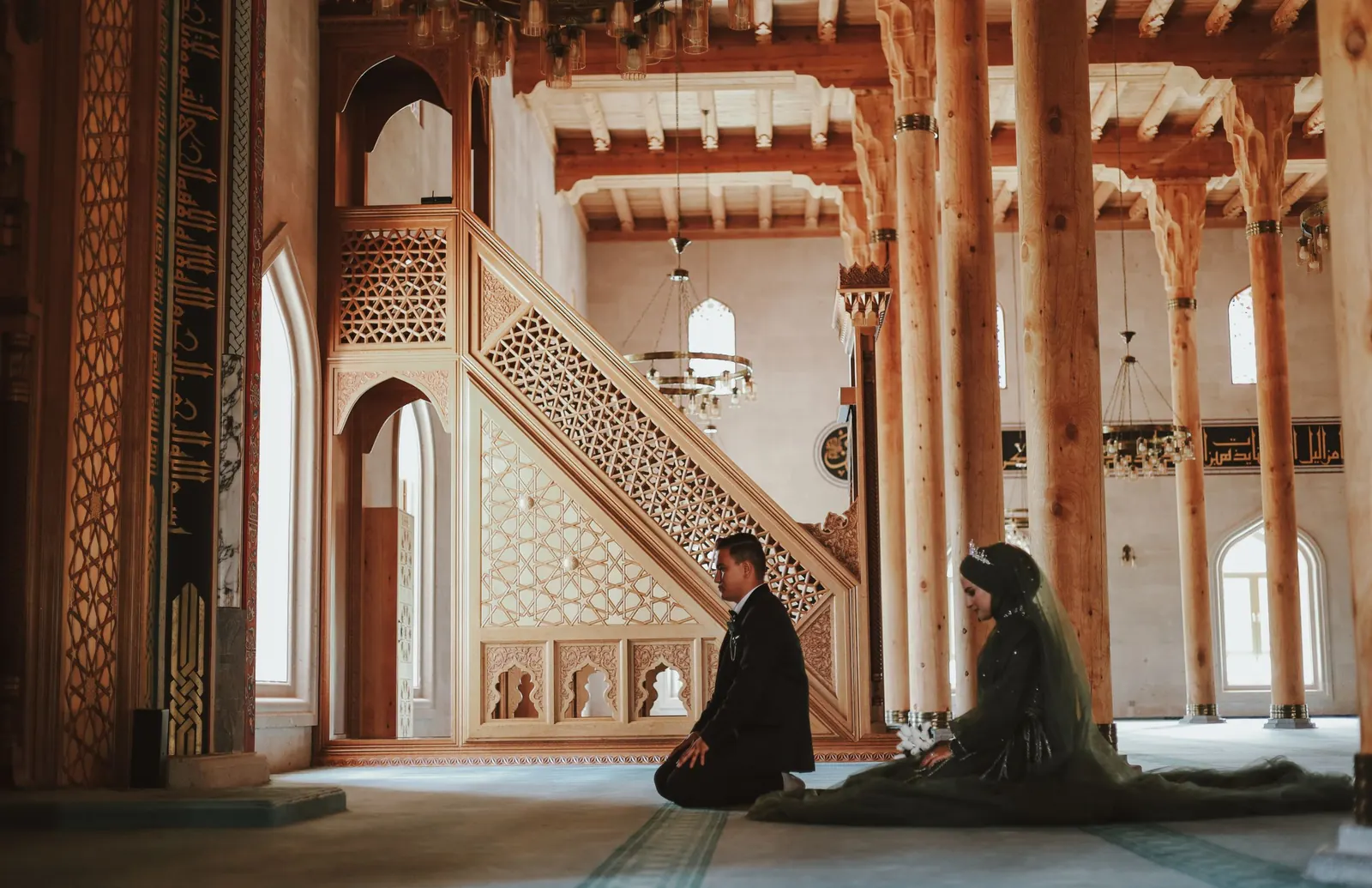
Couples are often surprised that a nikah involves two separate sets of rules: the religious requirements for a wali and witnesses, and the civil rules for legal witnesses on the marriage license. They are related but not the same, and sometimes the same people can serve both roles. This guide explains each in general terms. It is not a religious ruling or legal advice.
What is a wali?
The wali is the bride's guardian who represents her in the marriage contract. Most commonly this is her father, and if he is not available, another close male relative such as a brother, grandfather or uncle.
Most scholars hold that a wali is required for the bride's nikah to be valid, while the Hanafi school is commonly taught as allowing an adult woman more independence in this. Because views differ, ask a scholar or imam you follow which approach applies to your situation.
What if the wali is absent or not Muslim?
This is common for converts and for families who live far apart. Many scholars teach that a Muslim wali is needed, and that when the father is not Muslim or cannot act, the role passes to another suitable Muslim man, or to a community representative.
Many scholars also allow a wali to appoint someone to act for him. Whether that can be done by phone or video is a question for the scholar or imam you follow. This is a conversation to have early, well before the date.
Religious witnesses
Most scholars hold that a nikah needs at least two witnesses who are adult, of sound mind and Muslim, so that the marriage is publicly known and not secret. Many teach that they should be men, and the Hanafi view is commonly taught as accepting one man and two women. Views vary, so confirm with the scholar or imam you follow.
Witnesses are usually asked to be present for the offer and acceptance, hear it, and sign the nikah contract if one is used. Choose people who are trustworthy and who can attend on the day.
Legal witnesses are a separate matter
Whether the state requires witnesses depends on the state, and sometimes on the type of license. The examples below show the range: some require one, some require two, and some license types require none. The legal rules may not match the religious ones, so confirm the exact requirement, including any age rule, with your county clerk.
It is wise to bring two adult witnesses who also satisfy your imam's requirements, so one pair covers both the religious and the legal side. Then you are ready wherever you are.
A short, verified look at some states
We confirmed the following on official sources in October 2026. State laws change and many states are not listed here, so always check with your county clerk or your state's guide.
- California: a public marriage license needs at least one witness, and no more than two may sign; a confidential license needs no witness, and witnesses are not authorized to sign it (San Mateo County Clerk-Recorder).
- New York: Domestic Relations Law section 12 says at least one witness besides the clergyman, magistrate or one-day marriage officer must be present at the ceremony.
- Washington: RCW 26.04.070 says the couple must declare their marriage in the presence of at least two attending witnesses. It names a minister, priest, imam, rabbi or similar religious official, or a judicial officer, as able to solemnize.
- Texas, Illinois and Florida: the official pages we read did not state a witness requirement (for Cook County and the Texas State Law Library pages). That does not prove none exists, so confirm with your clerk.
Practical tips
Bring a simple list so nothing is forgotten on the day.
- Choose two adult witnesses who can attend and bring photo ID in case the clerk or imam asks. Ask your imam whether they need to be Muslim.
- Name the wali and confirm their role with the imam before the date.
- Ask your clerk whether your state or license type requires anyone to be physically present.
- Do not assume the officiant can also be a legal witness. New York's statute, for example, speaks of a witness besides the officiant, so bring separate witnesses.
- Have a backup witness in case someone is delayed.
A few common questions
Does a nikah need a wali?
Who can be a witness at a nikah?
Does the state require witnesses for a marriage license?
Can the imam be a witness?
What if my father is not Muslim or not present?
Planning your nikah?
Request an imam through ImamConnect, a free matching service, and talk through your wali and witness situation before the day, so everything is in order.
Related guides
This guide is general information, not legal advice or a religious ruling. Laws and fees change and differ by state and county, so confirm the current rules with your county clerk, your imam, and where it matters, a qualified attorney.