
Nikah in Texas: How to Make Your Islamic Marriage Legal
Published October 10, 2026
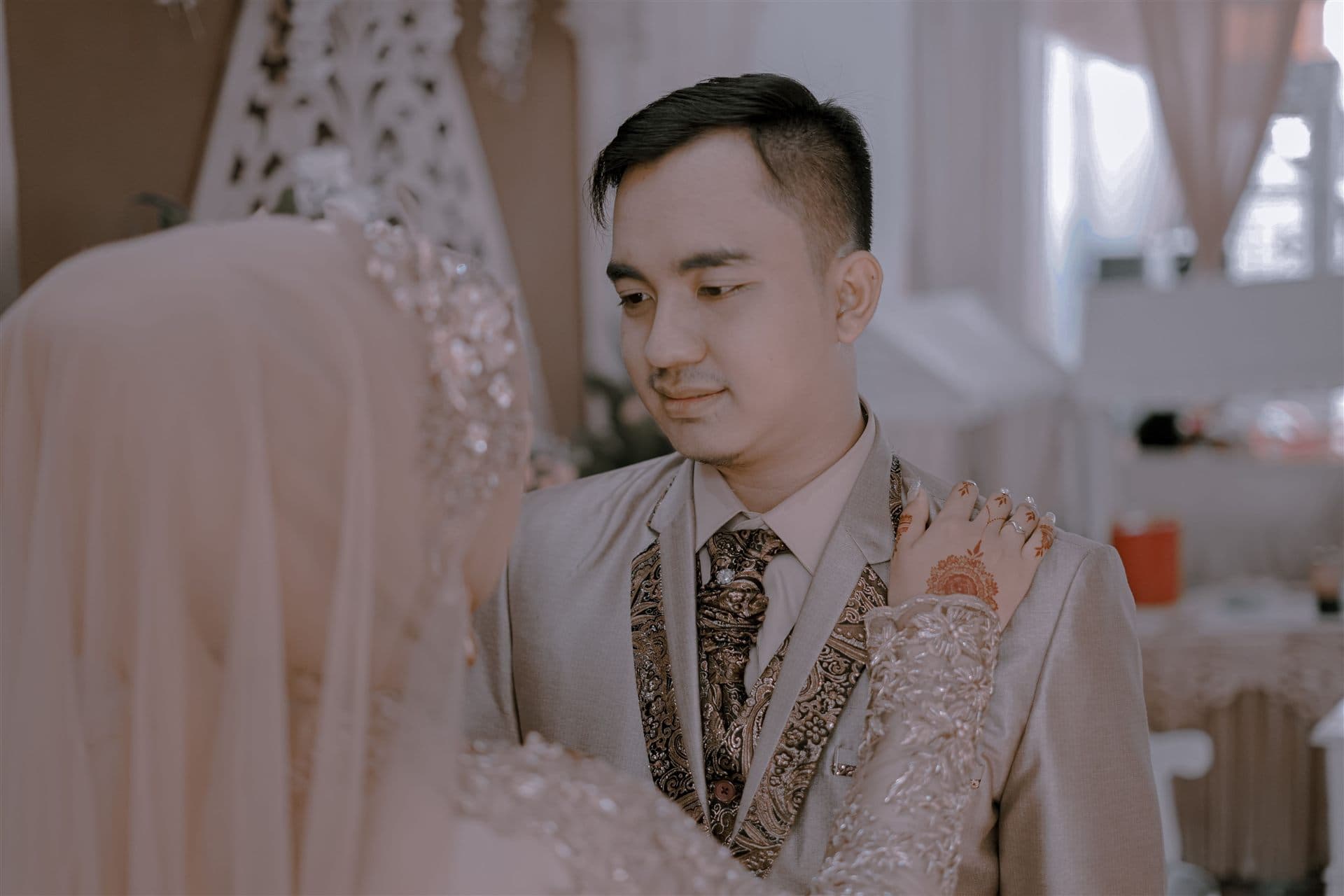
Planning your nikah in Texas? Good news: in Texas the religious ceremony and the legal marriage can happen at the same time. With a Texas marriage license and the right imam, one ceremony makes you married in the eyes of Allah and under Texas law. Here is how it works, step by step.
The short answer
Get a marriage license from any Texas county clerk, wait 72 hours, then hold your nikah within 90 days with an imam who is authorized by his religious organization. He signs the license and returns it to the county clerk, and your marriage is legally recorded.
Step 1: Get your Texas marriage license
- Where:any county clerk's office in Texas. The license is valid statewide, so it does not have to be the county where the nikah takes place.
- Who: both of you normally apply in person. If one of you cannot attend, ask the clerk about the absent applicant affidavit.
- Bring:a valid photo ID for each of you, such as a driver's license or passport, and your Social Security numbers if you have them. Many counties let you start the application online first.
- Age: both of you must be at least 18.
- Previously married? If either of you was divorced in the last 30 days, you generally cannot marry someone new until 30 days after the divorce decree, unless a court waives it. Bring the date of the decree.
- Fee: set by each county, usually around $70 to $85.
Step 2: Plan around the 72-hour wait and 90-day window
The ceremony cannot take place until 72 hours after the license is issued, and the license expires after 90 days. In practice, apply two weeks to two months before your nikah date.
The 72-hour wait is waived if either of you is on active military duty, if a judge grants a waiver, or if you complete Twogether in Texas, the state-approved premarital course. Twogether also cuts the license fee to around $20. Some imams already offer premarital counselling, so ask yours what they recommend.
Step 3: Choose an imam who can sign the license
Texas Family Code section 2.202 lets an officer of a religious organization who is authorized by that organization conduct a marriage ceremony. Many imams in Texas qualify through their mosque or Islamic center, and Texas does not require officiants to register with the state. When you book, simply ask the imam to confirm he can sign Texas marriage licenses.
Texas law does not require witnesses for the license, but the nikah itself needs the bride's wali and two Muslim witnesses, so you will have them there anyway.
Step 4: The nikah and the paperwork on the day
- Bring the marriage license to the ceremony and hand it to the imam beforehand.
- The imam leads the nikah as usual: khutbah, consent, mahr, offer and acceptance, and the dua. Our step-by-step guide to the nikah ceremony explains each part.
- The imam completes and signs the license after the ceremony.
- He returns it to the county clerk that issued it, within 30 days. The clerk records it and you can then order certified copies of your marriage license, which you will need for name changes, insurance and immigration.
What about a religious-only nikah?
Some couples want the nikah now and the legal side later, or a religious-only nikah. That is your choice, but know one thing that is specific to Texas: the state recognizes informal (common-law) marriage. If a couple agrees to be married, lives together in Texas and presents themselves to others as married, Texas law may treat them as legally married, with the same rights and responsibilities, including the need for a court divorce to end it. If you are not getting a license, speak with a family lawyer first.
Write down the mahr
Agree the mahr before the day and record it in your nikah contract, including how much is given now and how much is deferred. A clear written agreement protects you both. Our mahr calculator can help you settle on an amount.
A few common questions
Is a nikah legally binding in Texas?
Can an imam sign a Texas marriage license?
How long is the waiting period for a Texas marriage license?
How much does a Texas marriage license cost?
Can we get the license in one county and have the nikah in another?
Can we have a religious-only nikah in Texas?
Planning your nikah in Texas?
Tell us your date, city and language and we will find an imam who can lead your nikah and sign your Texas marriage license. We usually reply within 15 minutes, and we only share your details once an imam confirms.
This guide is general information, not legal advice, and county procedures and fees change. Check with your county clerk before you apply, and speak with a lawyer about your own situation.