
The Nikah Ceremony, Step by Step: What Happens at a Nikkah
Published October 9, 2026
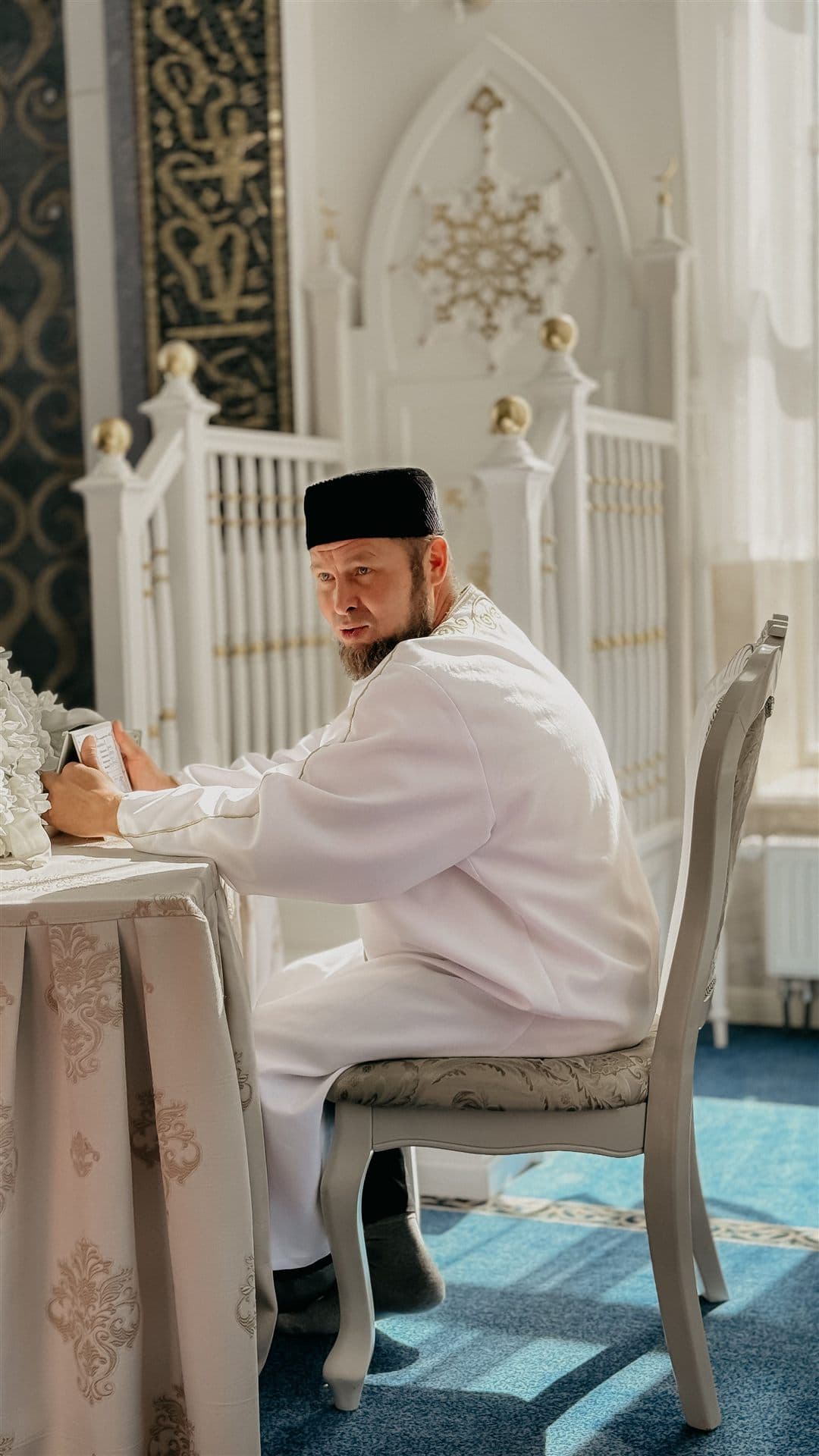
Whether you spell it nikah or nikkah, the ceremony at the heart of a Muslim wedding is short, simple and deeply meaningful. If you are planning one, or attending your first, here is what happens from start to finish, and what to prepare beforehand.
The short answer
A nikah is the Islamic marriage contract. It needs the free consent of the bride and groom, the bride's wali, two Muslim witnesses, an agreed mahr, and a clear offer and acceptance. An imam usually leads it. The ceremony itself takes about 20 to 45 minutes.
Before the day
- Book your imam. Agree the date, time, venue and language, and ask what he needs from you beforehand.
- Agree the mahr. The gift from the groom to the bride, agreed between you before the ceremony. Our mahr calculator can help.
- Confirm the wali and two witnesses. Two adult Muslim witnesses; most scholars require two men, or one man and two women.
- Bring ID, and any divorce or death certificate if either of you was married before.
- Decide on the legal side. If you want the nikah to be legally binding too, get a marriage license from the county clerk before the ceremony and choose an imam who can sign it.
The ceremony, step by step
- Welcome and khutbah.The imam opens with the khutbat al-hajah, the sermon the Prophet ﷺ taught for occasions like this. It includes verses on taqwa and family (An-Nisa 4:1, Al Imran 3:102 and Al-Ahzab 33:70-71), followed by a short reminder about marriage. Many imams speak in the family's language as well as Arabic.
- Confirming consent and the wali. The imam confirms that the bride agrees to the marriage, often by asking her directly, and that her wali is present and gives his approval.
- Announcing the mahr. The agreed mahr is stated in front of the witnesses, along with whether it is given now or later.
- The offer and acceptance (ijab and qabul).This is the moment the marriage takes place. The offer is made, usually by the wali or the bride, and the groom accepts, for example by saying “qabiltu”, I accept. Once is enough; some communities repeat it three times by custom.
- Signing the nikah contract. The couple, the wali and the two witnesses sign the nikah certificate (nikah nama). If the imam is also registering the marriage legally, the civil paperwork is signed here too.
- The dua for the couple.The imam makes dua, often with the words the Prophet ﷺ used: “Barak Allahu laka, wa baraka ‘alayka, wa jama‘a baynakuma fi khayr”, may Allah bless you, shower His blessings upon you, and unite you in goodness.
- Congratulations. Families greet the couple, and often share dates or sweets. The walima, the celebration meal, may follow the same day or later.
Where to hold it
At a mosque, at home, or at a banquet hall: all are fine. Small family nikahs at home are common, and so are larger ceremonies at a hall followed by the walima. If you use a mosque, ask about dress, shoes and timing around prayers.
A few common questions
How long does a nikah ceremony take?
Who needs to be at a nikah?
Is it nikah or nikkah?
Do the bride and groom have to say 'qabiltu' three times?
Is the walima part of the nikah?
Can the nikah be done at home?
Planning your nikah?
Tell us your date, location and language, and we will find an imam who can lead your nikah, religious only or with the legal marriage too.
This guide is general information. Practices vary between scholars and communities, so follow your imam's guidance for your own ceremony.