
Nikah in Pennsylvania: How to Make Your Islamic Marriage Legal
Published October 16, 2026
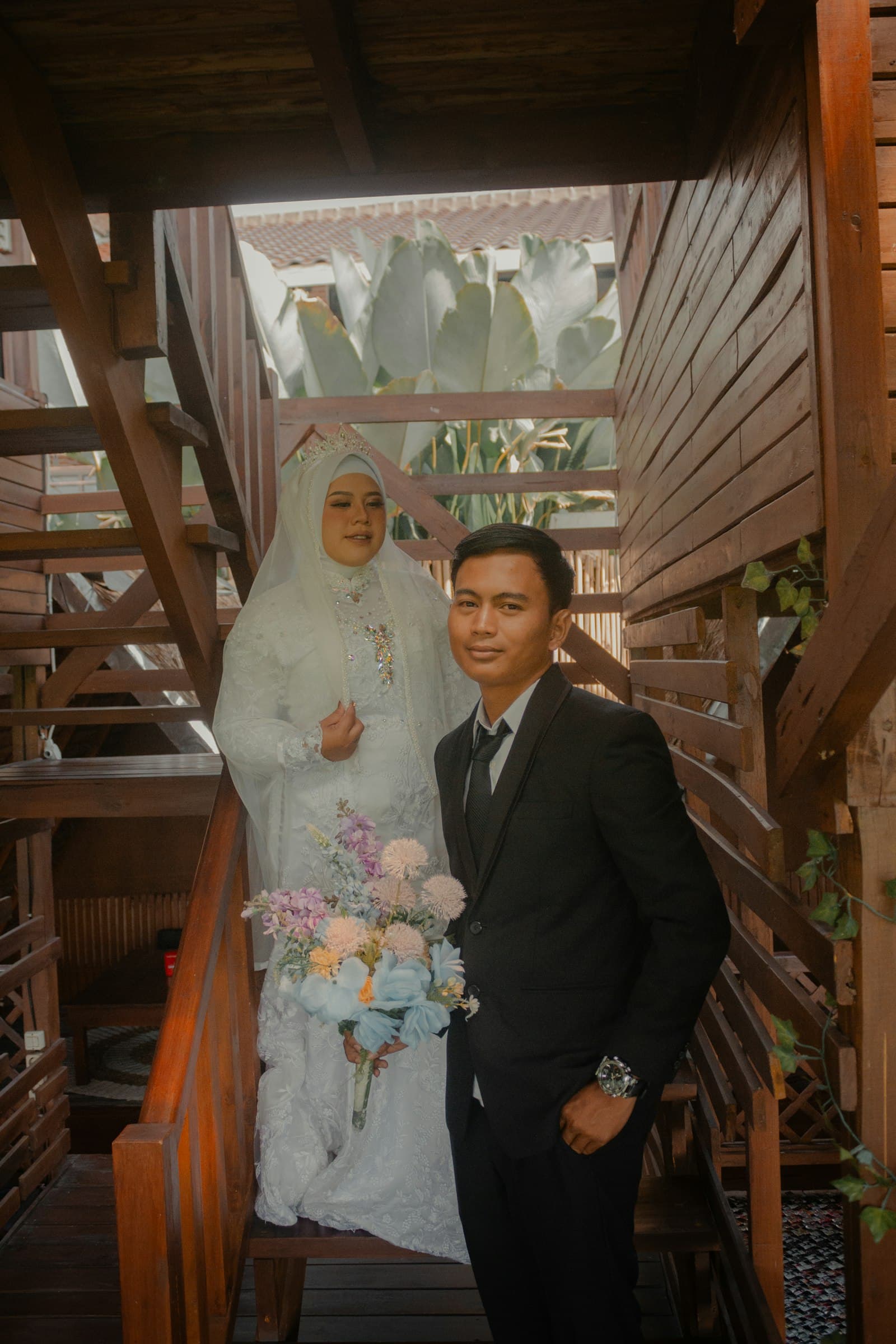
Planning your nikah in Pennsylvania? Most couples want one ceremony that is both religious and legal. In the US that is normally possible: an imam who is authorized to marry couples can lead your nikah and sign your marriage license in the same sitting. Here is how it works in Pennsylvania, in plain language.
The short answer
Apply for a Pennsylvania marriage license at your county's marriage license office (it cannot be issued before the third day after you apply), then hold your nikah within 60 days with an imam who is authorized to perform marriages. He signs the license and returns it, and your marriage is legally recorded.
What makes a marriage legal in Pennsylvania
- A marriage license. Both of you apply together at the county office that issues marriage licenses (in many counties the Register of Wills or Clerk of Orphans' Court), with valid photo ID.
- A three-day wait. No license is issued before the third day after you apply. A court can authorize earlier issuance in emergencies or for an active-duty military call-up.
- A 60-day window. The license is valid for 60 days and can be used anywhere in Pennsylvania.
- An authorized officiant. Ministers, priests and rabbis of a regularly established congregation can solemnize a marriage in Pennsylvania, and a religious organization can join its members in marriage under its own customs. Confirm with your mosque. Your imam signs the license after the ceremony.
None of this changes the nikah itself. Your imam leads the khutbah, the consent, the mahr, the offer and acceptance and the dua exactly as he otherwise would, and takes care of the civil paperwork at the same time.
Getting a marriage license in Pennsylvania
Apply at the county marriage license office. Fees are set by each county, so check the website for the current amount, appointment rules and which documents to bring.
Apply at least a week before your nikah to cover the three-day wait, and ideally a few weeks so any missing document does not delay the day.
Can your imam sign a Pennsylvania marriage license?
Many imams in Philadelphia, Pittsburgh and across Pennsylvania can sign marriage licenses through their mosque or Islamic center, and others perform the religious ceremony only. Ask before booking: can you sign a Pennsylvania marriage license?
Procedures differ a little between counties, so ask the county office what it requires.
After the ceremony
After the ceremony the imam completes the license and returns it to the court that issued it within ten days. The county records the marriage, and you can order certified copies of your marriage certificate.
What a religious-only nikah does and does not give you
Religiously, a great deal. You are married in your faith, your contract and mahr are binding between you, and your community recognizes the marriage. Some couples choose this on purpose, for example while one partner is still waiting on immigration or documents.
Legally, an unregistered nikah leaves you unmarried. That usually means no automatic spousal property rights, no automatic inheritance if one of you dies without a will, no spousal health insurance, and trouble with immigration and benefits that ask for a marriage certificate.
Pennsylvania has not recognized new common-law marriages formed after January 1, 2005, so living together does not make you married there. A nikah without a license and registration leaves you legally unmarried.
Write down the mahr
Agree the mahr before the day and record it in your nikah contract, including how much is given now and how much is deferred. A clear written agreement protects you both. Our mahr calculator can help you settle on an amount, and our step-by-step guide to the nikah ceremony explains each part of the day.
A few common questions
Is a nikah legally binding in Pennsylvania?
What is the waiting period in Pennsylvania?
Can an imam sign a Pennsylvania marriage license?
Planning your nikah in Pennsylvania?
Tell us your date, city and language and we will find an imam who can lead your nikah and sign your Pennsylvania marriage license. We usually reply within 15 minutes, and we only share your details once an imam confirms.
This guide is general information, not legal advice. Rules and fees change and vary by county, so confirm the current requirements with your county Register of Wills or Clerk of Orphans' Court, your imam, and where it matters, a qualified family lawyer.