
Nikah in Oklahoma: How to Make Your Islamic Marriage Legal
Published October 16, 2026
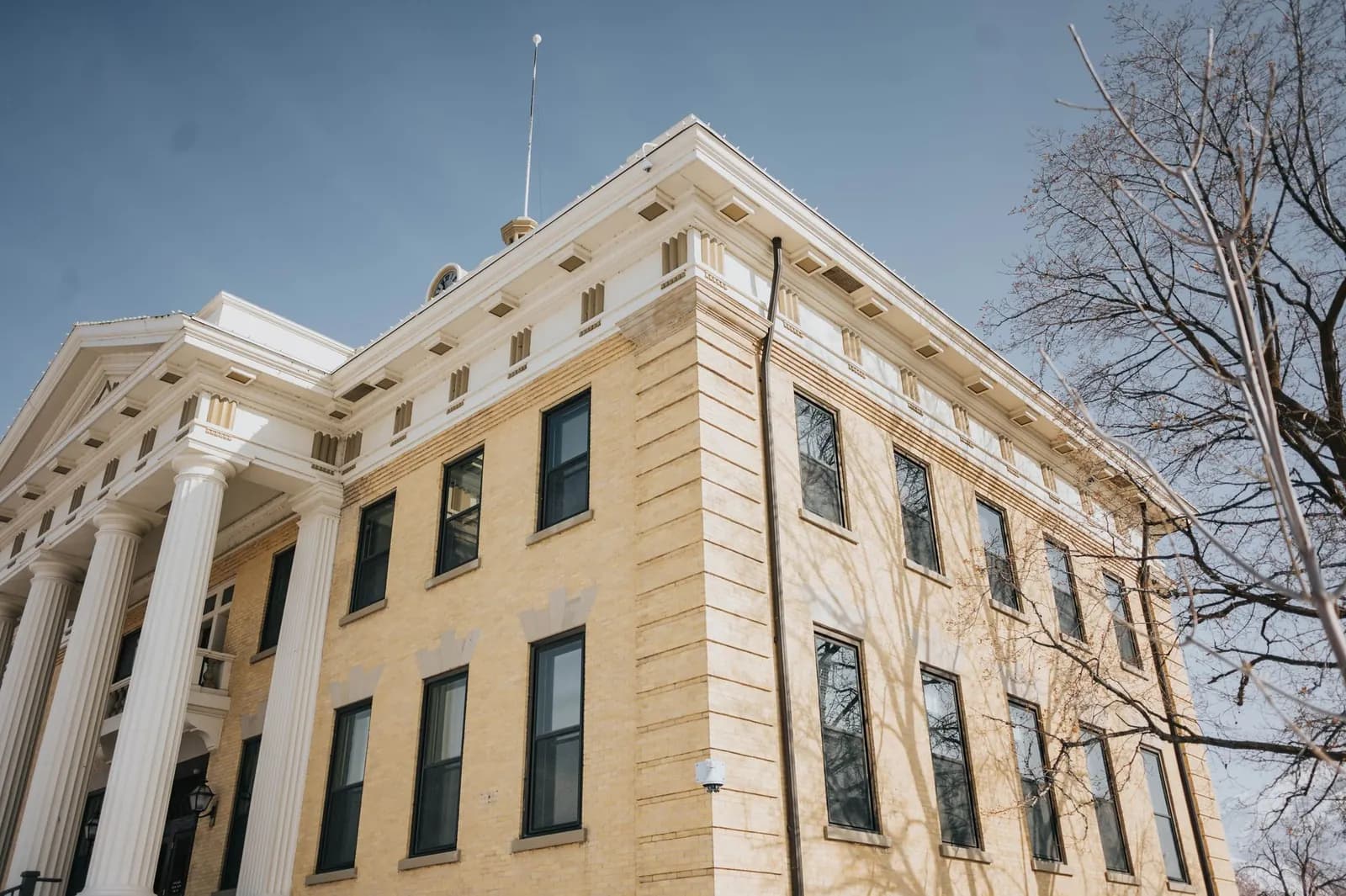
Planning your nikah in Oklahoma? Most couples want one ceremony that is both religious and legal. In the US that is normally possible: an imam who is authorized to marry couples can lead your nikah and sign your marriage license in the same sitting. Here is how it works in Oklahoma, in plain language.
The short answer
A nikah becomes a legal Oklahoma marriage when the couple first gets a marriage license from a district court clerk, then marries within 30 days in a ceremony with at least two adult witnesses led by an authorized officiant, who returns the license to the court clerk. Oklahoma County says there is no waiting period for adults and no residency requirement.
What makes a marriage legal in Oklahoma
- A marriage license. Both of you apply in person to a district court clerk and swear to the details on the application. A license is valid for 30 days and can be used in any county in the state.
- Waiting period. Oklahoma County says there is no waiting period for adults. If either person is under 18, the application must be on file at least 72 hours before the license is issued.
- An authorized officiant. A judge, or an ordained or authorized minister, priest, rabbi or other ecclesiastical dignitary who is at least 18 and authorized by his or her religious body, can solemnize the marriage. At least two adult, competent witnesses must be present.
- Return of the license. The officiant completes the certificate right after the ceremony, and the license and certificate go back to the court clerk who issued them within 30 days of issue.
None of this changes the nikah itself. Your imam leads the khutbah, the consent, the mahr, the offer and acceptance and the dua exactly as he otherwise would, and takes care of the civil paperwork at the same time.
Getting a marriage license in Oklahoma
Oklahoma law (43 O.S. 5) requires both of you to sign a written application and swear to it in person before the district court clerk. It lists each person's residence, full legal name and age as shown on a document such as a certified birth certificate, a current driver license or ID card, or a passport, the name each will use after marriage, a statement that you are not barred from marrying, and whether you completed premarital counseling. The Oklahoma County Court Clerk adds that there is no residency requirement, that no blood test is required, and that you should bring valid ID such as a state ID, passport or a certified birth certificate. The pages we read do not mention a Social Security number requirement, so ask your clerk what to bring. People divorced in Oklahoma may not marry anyone other than the former spouse for six months after the decree is filed, according to the county page.
Fees are set by state law and collected by the court clerk. The Oklahoma County Court Clerk's page lists $50, or $5 if you present an original certificate showing you completed a premarital counseling program that meets 43 O.S. 5.1 (the page is undated, so confirm with the clerk). That counseling must be at least four hours and can be run by a licensed professional, an official representative of a religious institution, or a person trained in a recognized marriage-education curriculum, and the provider issues a signed certificate. The license can be used in any Oklahoma county. Applicants who are 18 or older need no parental consent; 16- and 17-year-olds need a parent or guardian and birth certificates, and the clerk's page says marriage under 16 needs a court order.
Can your imam sign a Oklahoma marriage license?
Oklahoma law (43 O.S. 7) says a marriage must be a formal ceremony in front of at least two adult, competent witnesses, performed by a judge or retired judge of an Oklahoma court, or by an ordained or authorized preacher or minister of the Gospel, priest or other ecclesiastical dignitary of any denomination who has been ordained or authorized by his or her church, or a rabbi, who is at least 18 years old. The wording is traditional and does not name imams, so ask your county court clerk to confirm that an imam authorized by his mosque is accepted. Oklahoma County says that since November 1, 2022 ministers no longer have to file credentials with the clerk; instead, the officiant certifies on the marriage certificate that he or she holds credentials or authority from his or her religious body.
Ask your imam whether he can complete the certificate, including his title and the mosque or congregation he serves, and let him know the witnesses must also sign with their names and post office addresses. The officiant must make sure you are the people named on the license. If your imam cannot serve as officiant, a judge can perform a civil ceremony. The Oklahoma County page says its judges do not perform daily ceremonies, so ask your own county.
After the ceremony
The officiant fills in and signs the certificate immediately after the ceremony, the witnesses add their names and addresses, and you sign with the names you will use. The license and certificate must be returned to the court clerk who issued them within 30 days of the date the license was issued (43 O.S. 8 and 20), after which the clerk records the marriage. Ask the clerk how to order certified copies and what they cost.
What a religious-only nikah does and does not give you
Religiously, a great deal. You are married in your faith, your contract and mahr are binding between you, and your community recognizes the marriage. Some couples choose this on purpose, for example while one partner is still waiting on immigration or documents.
Legally, an unregistered nikah leaves you unmarried. That usually means no automatic spousal property rights, no automatic inheritance if one of you dies without a will, no spousal health insurance, and trouble with immigration and benefits that ask for a marriage certificate.
Yes, Oklahoma recognizes common-law marriage as well as ceremonial marriage. In Erlandson v. Coppedge, 2019 OK 66, the Oklahoma Supreme Court said the state recognizes both forms and that the 1999 changes to 43 O.S. 5 did not abolish it. Proving one depends on the facts and is decided by a court, and the Oklahoma County clerk tells people to ask a lawyer. For a nikah-only couple this means a court might treat a couple as married, but a license and a ceremony give you a clear record and are the safer route.
Write down the mahr
Agree the mahr before the day and record it in your nikah contract, including how much is given now and how much is deferred. A clear written agreement protects you both. Our mahr calculator can help you settle on an amount, and our step-by-step guide to the nikah ceremony explains each part of the day.
A few common questions
Is a nikah legally binding in Oklahoma?
Is there a waiting period for a marriage license in Oklahoma?
Do we need witnesses for a nikah in Oklahoma?
Can we get the license in one county and marry in another?
Can an imam sign the marriage license in Oklahoma?
Planning your nikah in Oklahoma?
Tell us your date, city and language and we will find an imam who can lead your nikah and sign your Oklahoma marriage license. We usually reply within 15 minutes, and we only share your details once an imam confirms.
This guide is general information, not legal advice. Rules and fees change and vary by county, so confirm the current requirements with your county court clerk, your imam, and where it matters, a qualified family lawyer.