
Nikah in Kansas: How to Make Your Islamic Marriage Legal
Published October 16, 2026
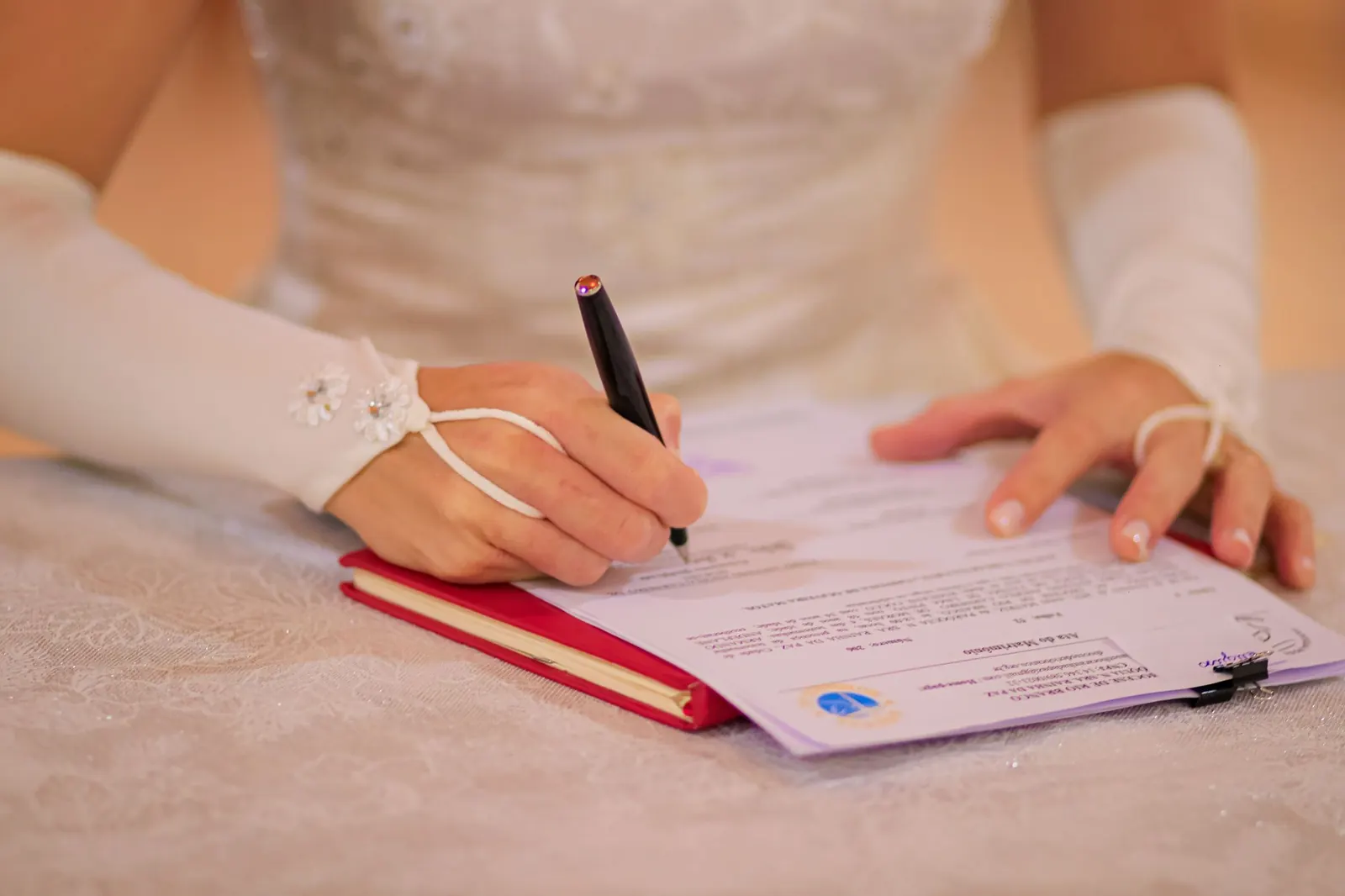
Planning your nikah in Kansas? Most couples want one ceremony that is both religious and legal. In the US that is normally possible: an imam who is authorized to marry couples can lead your nikah and sign your marriage license in the same sitting. Here is how it works in Kansas, in plain language.
The short answer
In Kansas, a nikah becomes legally binding when you get a marriage license from a district court clerk, wait for the three-day waiting period, and then exchange vows before an authorized officiant, such as an ordained clergyman or religious authority, with at least two witnesses over 18 present. The officiant endorses the license and returns it to the court within 10 days.
What makes a marriage legal in Kansas
- A marriage license. One of you applies at the clerk of the district court and pays the state license fee of $59 listed in the statute. Both people must meet the age rules, and the license must be used within six months.
- Waiting period. Kansas courts cannot issue the license before the third calendar day after the application is filed, counting weekends and holidays. A judge can allow an exception in an emergency.
- An authorized officiant. The vows are made before an authorized officiating person, which includes any currently ordained clergyman or religious authority of any religious denomination or society, and at least two competent witnesses over 18 who are not the officiant.
- Return of the license. The officiant endorses the certificate on the license, gives the duplicate copy to you, and returns the license to the court that issued it within 10 days after the marriage.
None of this changes the nikah itself. Your imam leads the khutbah, the consent, the mahr, the offer and acceptance and the dua exactly as he otherwise would, and takes care of the civil paperwork at the same time.
Getting a marriage license in Kansas
Under K.S.A. 23-2505, marriage licenses in Kansas are issued by the clerk of the district court or a judge. One of the two people planning to marry applies, and the clerk may issue the license on the applicant's sworn statement that both people are of lawful age. Giving false information on that affidavit is a misdemeanor. The statute does not say you must live in Kansas or in the county where you apply, and it does not list ID or Social Security number rules. Each court sets its own practical procedures, so check the website of your county's district court (for Kansas City, Kansas, that is the Wyandotte County court) for appointment, ID and payment details.
Kansas law does not allow a license to be issued before the third calendar day after the application is filed, with Sundays and holidays counted. A judge of the district court can allow an earlier license in cases of emergency or extraordinary circumstances. The license expires at the end of six months if the marriage has not taken place.
The statutory fee is $59, collected by the clerk or judge (K.S.A. 23-2510). That section says it is the only fee that may be collected for the license and that it can be set only by the legislature, but it also mentioned a temporary court surcharge that ran through June 30, 2025. Please confirm the current total with the clerk. On age, the statute bars licenses for anyone under 16 (with a narrow judge exception at 15) and requires parental consent and sometimes a judge's consent for 16 and 17 year olds. We could not confirm on an official page whether these rules have since been changed, so couples under 18 should ask the court first. We did not find a premarital course discount.
Can your imam sign a Kansas marriage license?
K.S.A. 23-2504 lists who may officiate: any currently ordained clergyman or religious authority of any religious denomination or society; a licentiate or bishop's appointee serving as the regular clergyman of a church; judges and justices of courts of record; municipal judges of a Kansas city; and retired judges. An imam who serves as a religious authority for his community falls within the general wording, but the law does not name imams. Kansas does not appear to require officiants to register with the state, though we did not find an official page that says so directly.
The same section also allows the two parties themselves, by mutual declarations, to marry without an officiating person if they follow the customs, rules and regulations of a religious society or denomination to which either belongs. We cannot tell how a court or clerk would treat this for a given community, so most couples are better served by using an authorized officiant. Ask the imam whether he has signed Kansas licenses before, and who will return it.
For a civil alternative, a district judge, municipal judge or retired judge can perform the ceremony. The vows must be made in the presence of at least two competent witnesses over 18, other than the officiant.
After the ceremony
The person who performs the ceremony must endorse the certificate of marriage on the license, give the duplicate copy of the license to you, and return the license to the judge or clerk of the district court that issued it within 10 days after the marriage (K.S.A. 23-2511). The court then submits the information to the state vital statistics system early the next month. Marriages are registered under the supervision of the Kansas health department (K.S.A. 23-2507). A certified copy of your endorsed license is accepted as proof of identity for a Kansas driver's license after a name change (K.S.A. 23-2506). Ask the district court clerk how to order certified copies and what they cost.
What a religious-only nikah does and does not give you
Religiously, a great deal. You are married in your faith, your contract and mahr are binding between you, and your community recognizes the marriage. Some couples choose this on purpose, for example while one partner is still waiting on immigration or documents.
Legally, an unregistered nikah leaves you unmarried. That usually means no automatic spousal property rights, no automatic inheritance if one of you dies without a will, no spousal health insurance, and trouble with immigration and benefits that ask for a marriage certificate.
Kansas law appears to allow common-law marriage in some circumstances, though we did not confirm this on a court page. The statute (K.S.A. 23-2502) says only that the state will not recognize a common-law marriage if either party is under 18. The legal tests come from court decisions, which we did not review for this guide. Because proving a common-law marriage means convincing a court later, a nikah-only couple should not rely on it. Getting the license is the dependable way to be married in Kansas.
Write down the mahr
Agree the mahr before the day and record it in your nikah contract, including how much is given now and how much is deferred. A clear written agreement protects you both. Our mahr calculator can help you settle on an amount, and our step-by-step guide to the nikah ceremony explains each part of the day.
A few common questions
Is a nikah legally binding in Kansas?
Is there a waiting period for a marriage license in Kansas?
Does a Kansas nikah need witnesses?
Can we get the license in one county and marry in another?
Can an imam sign the marriage license in Kansas?
Planning your nikah in Kansas?
Tell us your date, city and language and we will find an imam who can lead your nikah and sign your Kansas marriage license. We usually reply within 15 minutes, and we only share your details once an imam confirms.
This guide is general information, not legal advice. Rules and fees change and vary by county, so confirm the current requirements with the clerk of your county district court, your imam, and where it matters, a qualified family lawyer.